AI Writing Style Guide: How Gate Failures Became My Rules

How my AI writing style guide grew from gate failures into enforceable rules in config/style-guide.md.
How my AI writing style guide grew from gate failures into enforceable rules in config/style-guide.md.

Cursor skills package repeat procedures into SKILL.md so agents load them on demand—not in every chat or AGENTS.md.

Cursor’s agent swarms research is really about model economics — and it matches the editor/writer split I already use.

A brief gate checklist for AI drafts: what the brief must include before the writer runs, and what I check before a WordPress draft.

Short cursor agent rules that survive real projects: user habits, AGENTS.md contracts, and two failures that forced the wording.

Cursor vs Copilot vs Windsurf: AI-native IDE vs extension vs Cascade agent — surfaces, pricing signals, and which setup fits your team.
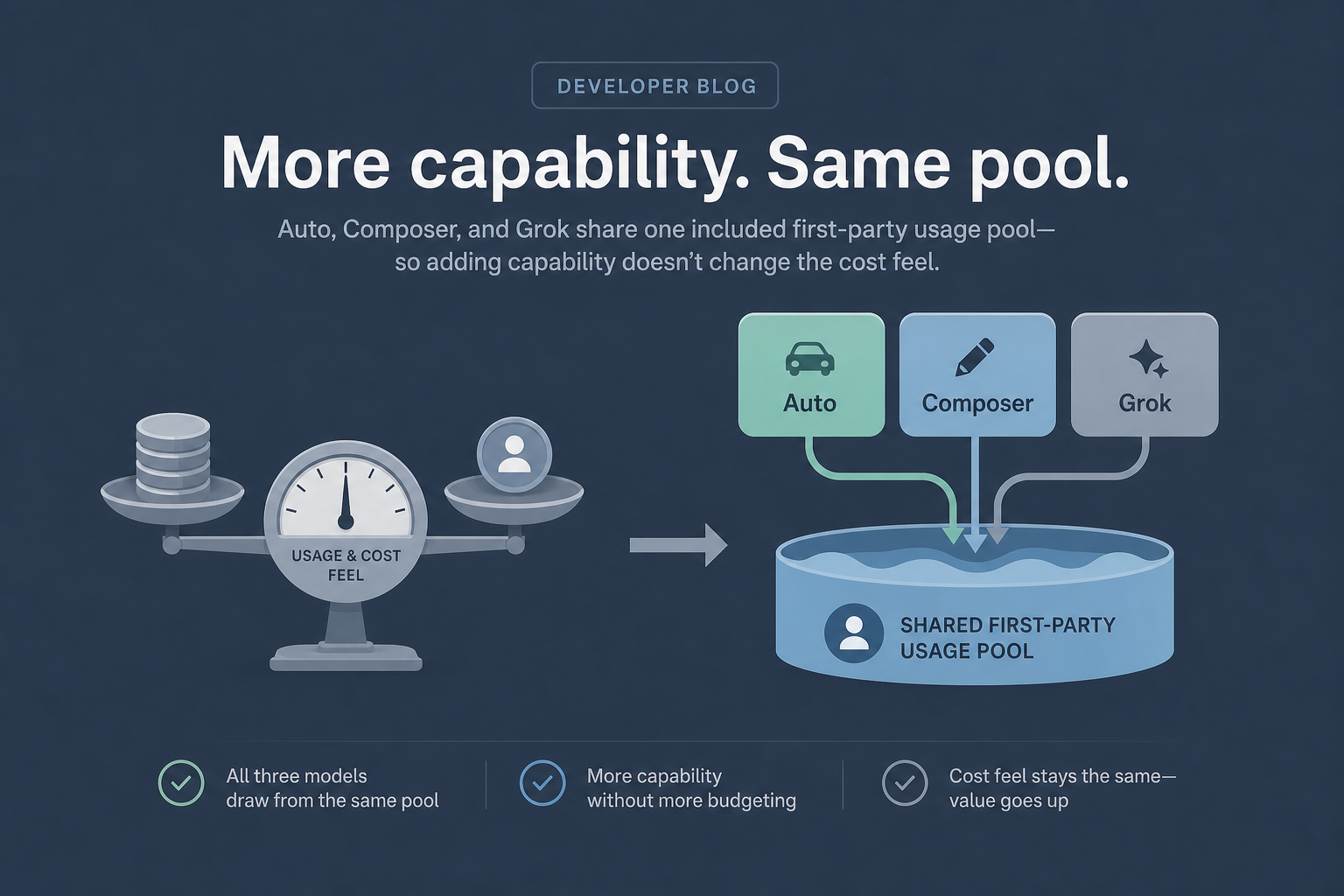
Grok 4.5 in Cursor landed in the first-party pool — and for me the story is cost feel, not another benchmark.
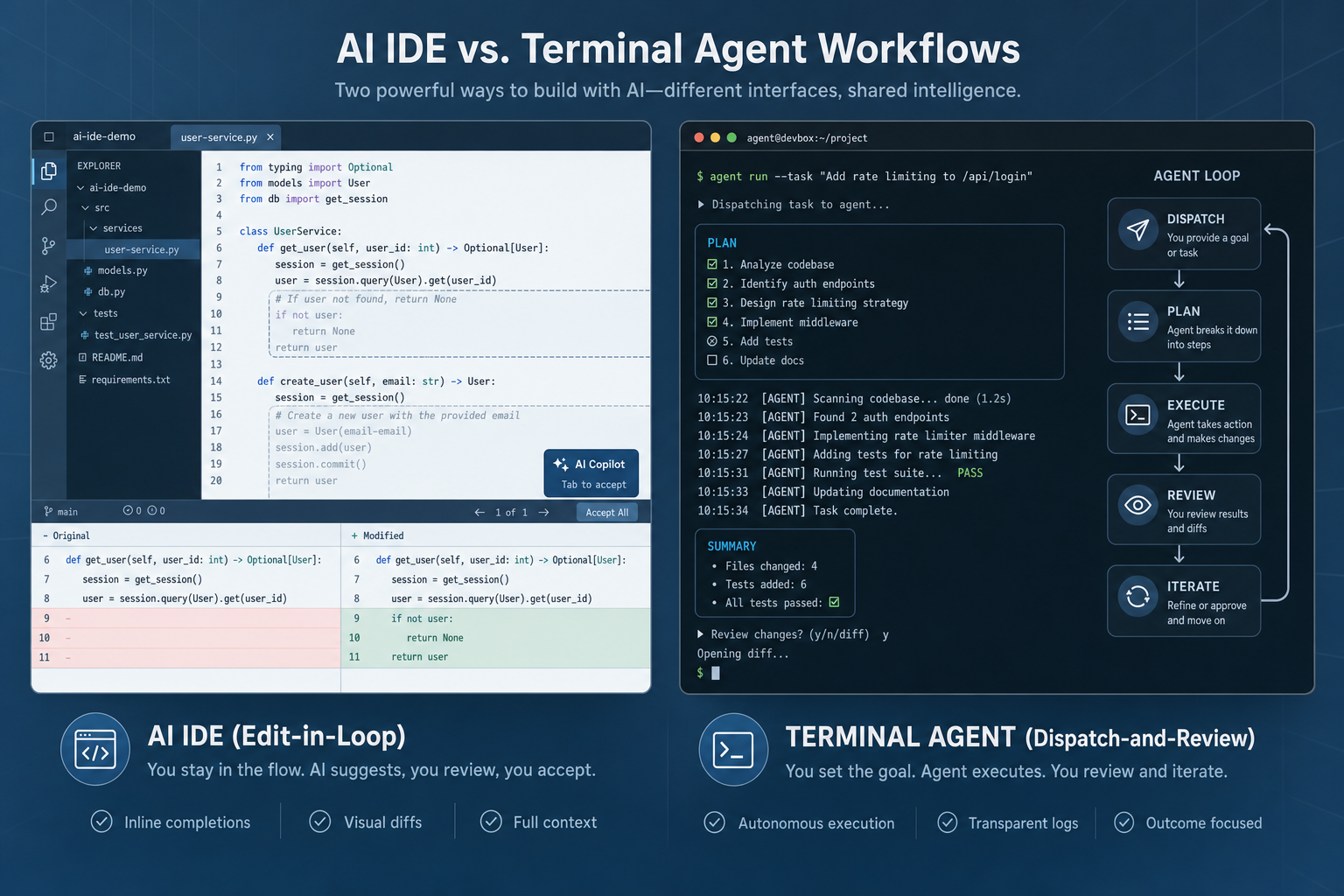
AI IDE vs terminal agent: when to stay in the editor loop, when to delegate in the CLI, and when teams use both.

Cursor vs Windsurf: collaborative Composer vs autonomous Cascade, IDE coverage, pricing signals, and which AI IDE fits your review loop.

Claude Code vs Cursor: terminal agent or AI IDE? Compare surfaces, workflows, pricing signals, and which fits your daily review loop.